Decision-making
Conviction is not a gut feeling
The best meetings end in conviction. The honest question is how much of it is confirmation bias.
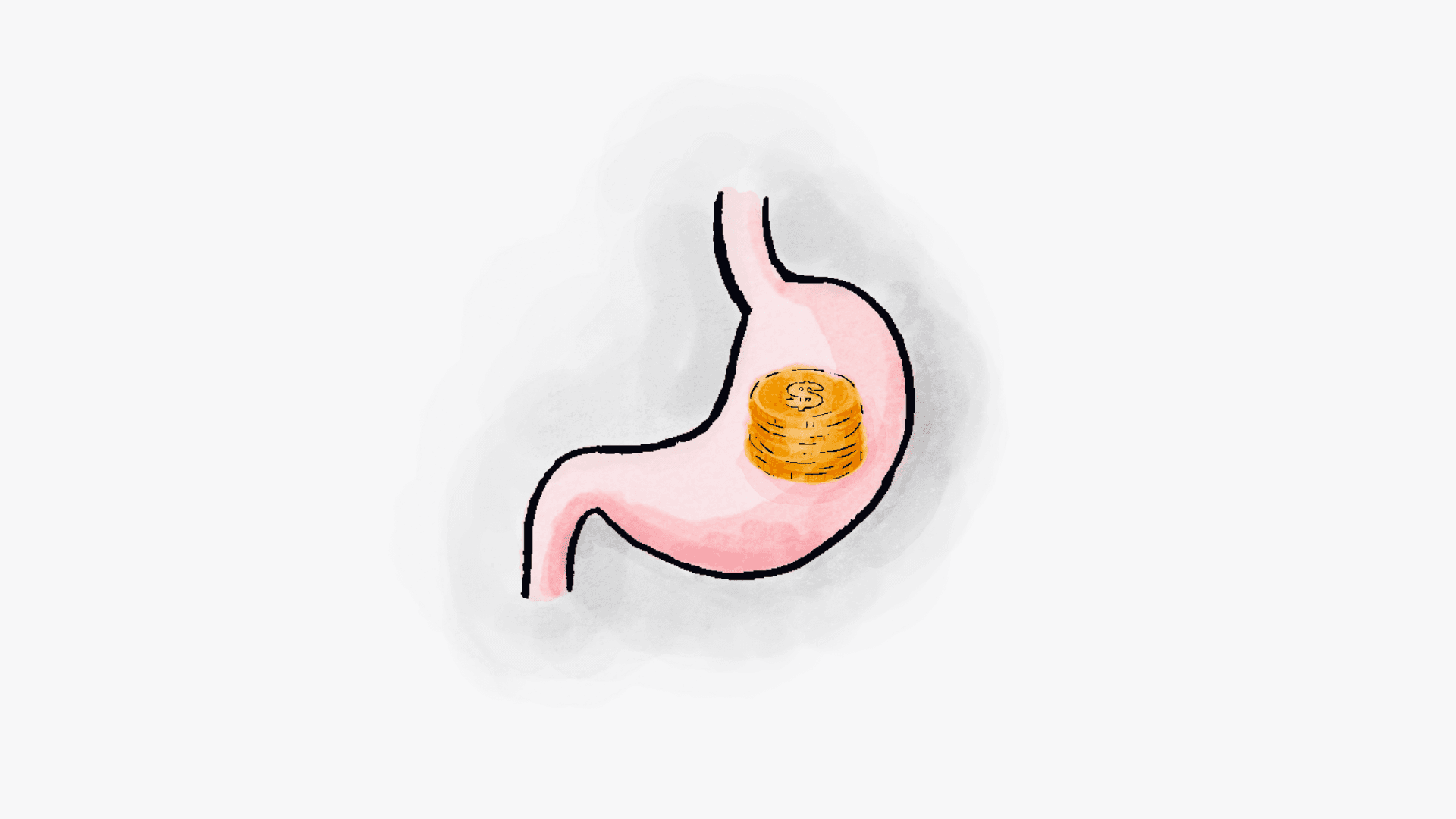

The best investment meetings do not end in consensus. They end in conviction. The honest question is how much of that conviction is really confirmation bias wearing a nicer suit.
We have all felt it. You meet a founder with real charisma, a sharp deck, and a market that feels right. Your gut says yes. But gut feeling is a dangerous instrument when you are deploying millions. It carries biases we do not notice. We favor people like us. We over-weight the last deal we saw. We let a great pitch cast a halo over everything behind it.
The hardest part of the job is not finding data. It is staying objective when the pressure is on.
That is where the tooling actually helps me. It does not replace the art of the deal. It handles the part that should be evidence rather than instinct. Messy signals go in, and an objective read comes out, scored across the domains that matter.
So instead of walking into the committee with "I have a good feeling about this team," I walk in with evidence-based scoring across more than ten domains, a structural gap analysis that shows where the risk actually sits, and a map of the venture that is hard to argue with.
The move is from "I think" to "I know." When you turn a gut feeling into a number you can defend, you do not just decide faster. You decide better.
Bias will always be in the room. The goal is to keep it from driving.